

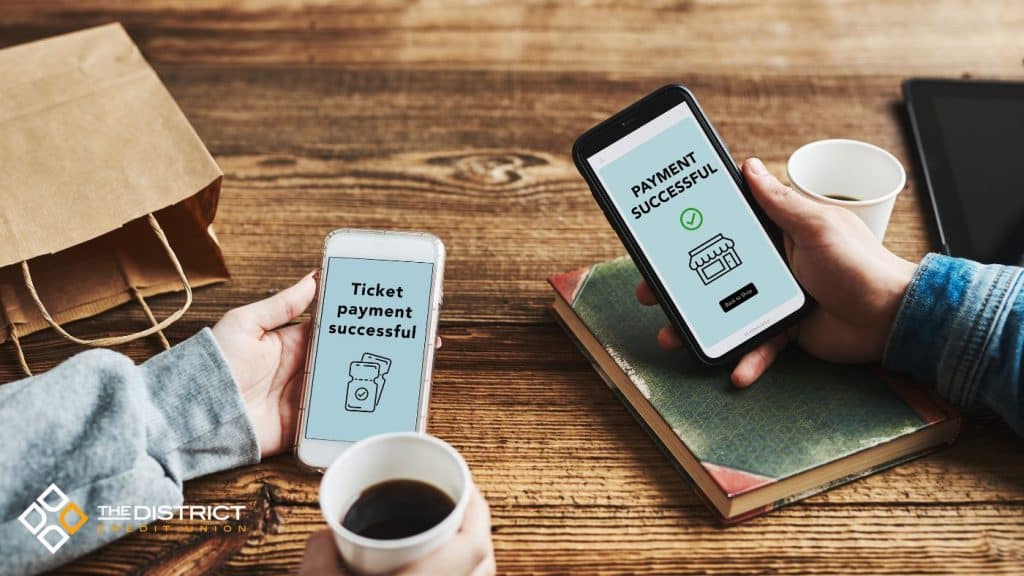
In today’s fast-paced digital world, the way we handle money is rapidly evolving, and mobile payment apps are leading the charge. With just a few taps on your smartphone, you can pay for groceries, split dinner bills with friends, or even transfer cash to family across the globe. But while these convenient tools make transactions easier than ever, they also open new avenues for fraud and security risks that every user should be aware of.
In this article, we’ll dive into the essentials of staying secure in the realm of mobile payments—because when it comes to your hard-earned money, knowledge isn’t just power; it’s safety!
Risks of Scams in Mobile Payment Apps
Mobile payment apps like Cash App, Venmo, and Zelle have gained immense popularity due to their convenience. However, this ease of use also attracts scammers looking to exploit unsuspecting users. One major risk involves the anonymity these platforms provide. Scammers can create fake profiles and disappear after stealing your money, making it difficult for victims to recover lost funds. The rapid growth of mobile payments creates an environment where fraudsters thrive. Understanding these risks is essential if you want to safeguard your hard-earned money as you navigate these digital transactions.
Common Scams Targeting Mobile Payment App Users
Phishing scams
Scammers often impersonate legitimate companies through emails or text messages, luring unsuspecting victims into providing personal information. These communications may look official. They often include logos and jargon that mimic trusted sources. However, they usually contain links or attachments leading to fraudulent websites designed to steal your login credentials.
Once you click on these dubious links, the scammer gains access to your account. From there, they can drain funds or conduct unauthorized transactions. Always be cautious about unsolicited messages requesting sensitive data. If something feels off, it probably is—trust your instincts!
Fake seller scams
Scammers pose as legitimate sellers on various platforms, enticing buyers with irresistible deals that seem too good to be true. These fraudsters often create convincing online profiles or listings. They may use stolen images and descriptions pulled from real sellers to add credibility. Once they gain your trust, they’ll request payment upfront via mobile payment apps. After receiving the money, these scammers vanish without delivering the promised product or service.
Unfortunately, due to the nature of these transactions, recovery can be extremely difficult. Always approach unfamiliar sellers with caution. If an offer appears suspicious or overly attractive, take a step back and investigate further before making any payments. Protecting yourself starts with being aware of this type of scam in the first place.
Overpayment scams
Overpayment scams are a clever ruse that can catch even the savviest users off guard. Here’s how it typically unfolds: you list an item for sale and receive a message from a potential buyer eager to purchase. They offer more than your asking price, citing shipping costs or other reasons. At first, it seems like a great deal. But soon after you receive their payment, they ask for the excess amount back before you’ve confirmed the funds have cleared in your account. This is where the trickery lies—often, the initial payment turns out to be fraudulent or bounces back later.
Once you’ve sent money back to them, you’re left with nothing but regret and loss. The scammer vanishes into thin air while you’ve lost both your item and cash. Always be skeptical of offers that seem too good to be true; they often are just traps waiting to ensnare unsuspecting victims.
Tips for Protecting Yourself from Scammers on Mobile Payment Apps
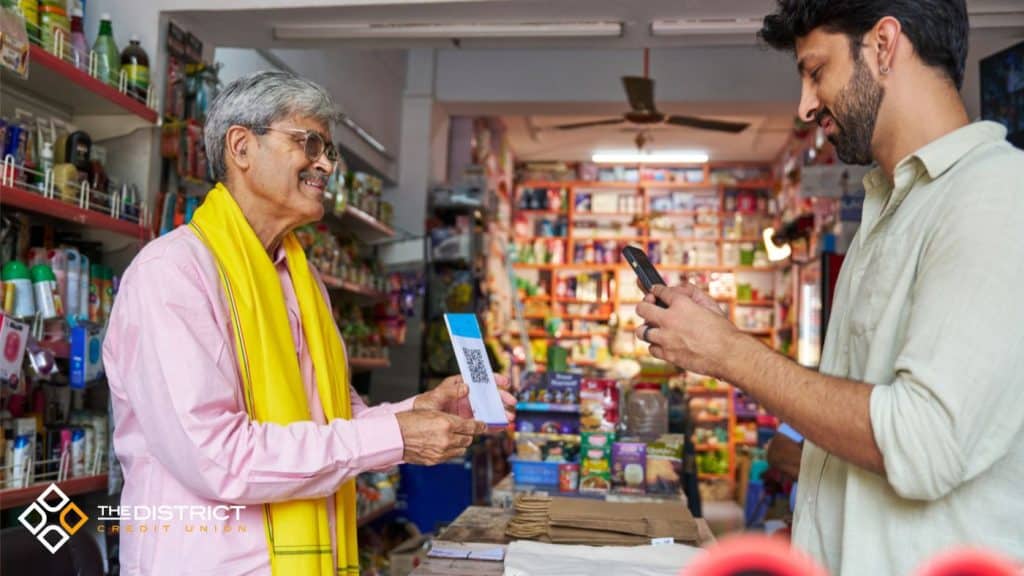
To stay safe while using mobile payment apps like Cash App, Venmo, or Zelle, safeguarding your personal information is crucial. Always think before sharing any sensitive details as scammers often prey on your trust.
- Before making transactions, verify the legitimacy of sellers. Check their profile and read reviews if available. A quick online search can reveal much about who you’re dealing with.
- Creating strong passwords and PINs is essential for safeguarding your mobile payment apps like Cash App, Venmo, and Zelle. The stronger your password, the harder it becomes for scammers to access your account
- Using secure Wi-Fi connections adds an extra layer of protection. Avoid public networks when handling financial information to reduce risks.
- Enable two-factor authentication if the app offers it. This simple step makes unauthorized access significantly harder for potential scammers.
- Lastly, be wary of unsolicited messages asking for money or personal data—even from friends—because accounts can be hacked easily.
Stay informed and vigilant to protect yourself against common scams targeting mobile payment users.
What to Do if You Fall Victim to a Scam on a Mobile Payment App

If you find yourself a victim of a scam while using mobile payment apps, it’s crucial to act quickly.
- The first step is to report the incident to the app’s customer service immediately. Each platform has its own set of procedures for handling fraud claims.
- Next, contact your bank or credit card company if you’ve linked one to your app. They may be able to reverse charges or help protect your account from further unauthorized transactions.
- It’s also advisable to change your passwords and enable two-factor authentication on all accounts associated with the app. This added layer of security can prevent future incidents.
- Document everything related to the scam: screenshots, transaction details, and communication with both customers and support teams are essential pieces of evidence that could assist in resolving any disputes.
- Lastly, consider sharing your experience on social media or forums dedicated to fraud prevention. Not only can this warn others about potential scams targeting users of mobile payment apps but also provide valuable insights into how people resolved similar issues.
Taking these steps can help mitigate damage and contribute towards reclaiming lost funds while enhancing awareness around common scams impacting users today.
The District Credit Union is your banking partner and prioritizes our members’ safety in the digital landscape. If you are ever unsure about an email, text message, or mobile payment request, contact our Financial Services Representatives who can help answer any questions or concerns you may have.
Learn more about cyber threats you should be aware of.