

Get complete access to your credit score*, full credit report, ongoing monitoring, expert financial tips, and educational resources—all in one easy-to-use tool. Enjoy all of this without any impact on your credit score, and it’s completely FREE, anytime, anywhere.


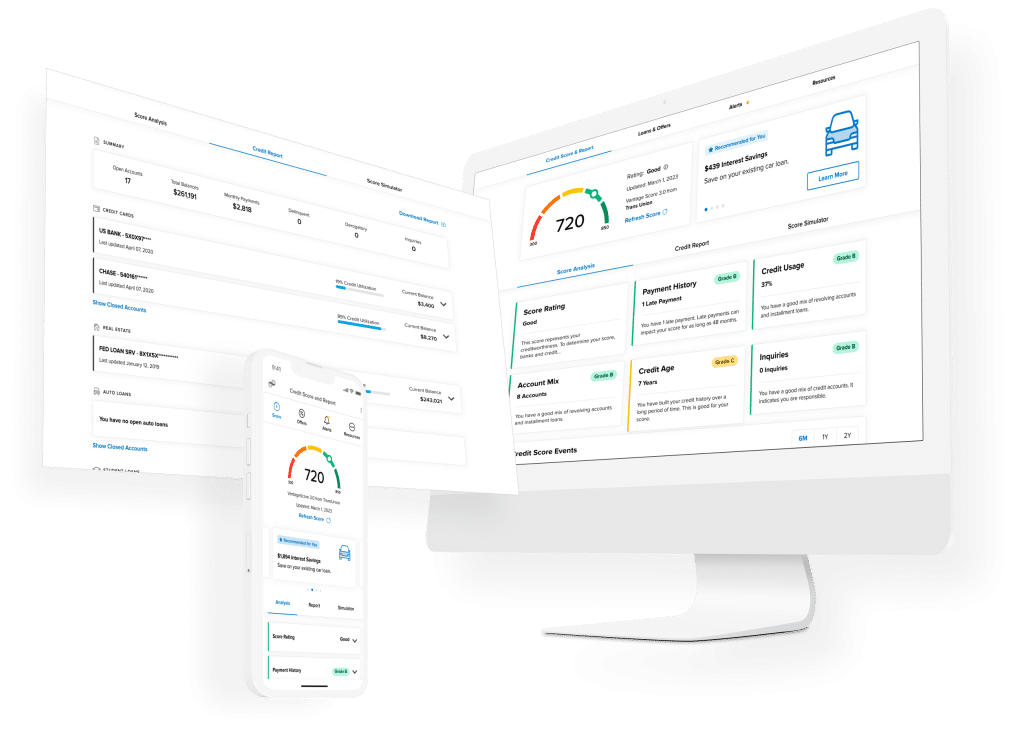
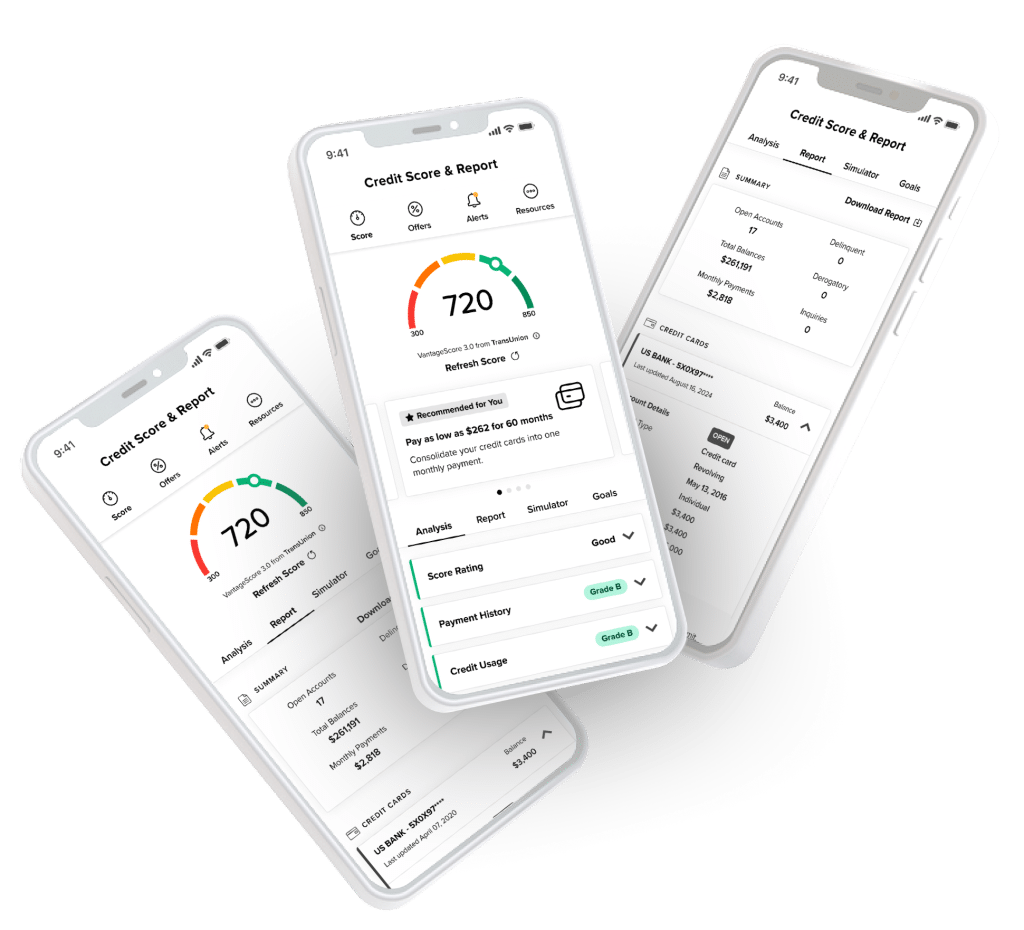
Managing your credit is essential for your financial well-being. With Credit Sense, you can access your credit score and report directly through The District Credit Union’s Online and Mobile Banking platforms. This integration allows you to monitor your credit health without the need for additional logins.
Credit Sense offers personalized tips to help you improve or maintain your credit score. It provides real-time credit monitoring alerts, so you can stay informed about significant changes to your credit report. Additionally, Credit Sense offers a credit score simulator, enabling you to see how different financial decisions may impact your credit score.
By utilizing Credit Sense, you can take proactive steps to protect and manage your credit, all within the convenience of your existing banking services. This tool empowers you to make informed financial decisions and work towards achieving your financial goals.
Checking your credit score is a good way to stay on top of your finances and know where you stand in the eyes of lender, potential employers, landlords, and insurance companies.
It’s important to note your credit score is different from your credit report – and
the free reports provided by the credit bureaus may not include your score.
Access your credit score and report,powered by SavvyMoney, through our online banking or mobile app
Many credit card companies offer free credit score access to customers.
You can get free online VantageScore from TransUnion.
40% - Your payment history, and your track record of on-time payments.
23% - Your credit utilization is the total credit used vs. your total credit limit on all accounts.
21% -The age and types of credit lines, including how long you've had different kinds of credit accounts.
11% - The total amount of reported balances on your credit accounts.
5% - Recent credit applications and inquiries.
Review our Frequently Asked Questions to find answers about our services, products, and how we can help you reach your goals.
Credit reports, also known as credit files, are composed of the credit-related data a credit reporting company has gathered about consumers from different sources. Credit reports include records of mortgage payments, credit card balances, credit card payments, auto loan payments, and credit inquiries. It may also include accounts that have gone into collections, public records, and other information from government sources.
Credit reports include the following about your debt accounts:
Credit reports may also include:
Under Federal law, you are entitled to receive one free copy of your credit report from each credit reporting agency every 12 months. You can obtain a free copy of your credit reports at https://www.annualcreditreport.com or by calling 1-877-322-8228. For more information visit https://www.consumerfinance.gov/ask-cfpb/what-is-a-credit-report-en-309/.
Given this incredible volume of data provided by lenders to the agencies, there are times when the information reported about your credit activities may be inaccurate.
If you find information that you believe is not correct on your credit report, contact the company that issued the account or the credit reporting company that issued the report. You can dispute any inaccuracies found on your TransUnion credit report by navigating to the bottom of the SavvyMoney Credit Report and clicking “dispute”.
For more information visit:
http://www.consumerfinance.gov/askcfpb/313/what-should-i-look-for-in-my-credit-re port-whatare-a-few-of-the-common-credit-report-errors.html
A credit freeze, also known as a security freeze, is a free way to restrict access to your credit report. Adding a freeze means no one, not even you, can open a new credit account while the freeze is in place. You can, however, temporarily remove this freeze at any time if you want to apply for new credit.
It is important to note that a credit freeze does not affect your credit score. While the freeze is in place, you will still be able to apply for a job, rent an apartment, purchase insurance, and receive pre-screened offers.
How to Place a Credit Freeze?
To place a credit freeze on your credit profile, you must contact each of the three major credit bureaus:
You must contact the three major credit bureaus to unfreeze your credit profile. Each bureau has a different process, but each will initially provide you with a PIN to unfreeze your profile.
Any institution that lends money – credit unions, banks, credit card companies, financing companies, mortgage lenders, and others – can use a credit score to help them assess whether you meet their lending criteria. These institutions use your credit score along with other relevant information provided by you, such as income, work status, and down payment amount. In general, higher scores allow access to more credit at competitive rates.
Insurance carriers can also use credit scores to help assess risk and to accurately price homeowners and automobile insurance policies.
Is Credit Score the Only Thing Used by Lenders for Loan Approval?
No, a credit score is just one part of several factors lenders use in their lending criteria. Other lending criteria considered may include:
A credit score is a three-digit number calculated to indicate your creditworthiness. The higher the score, the more creditworthy you are to a lender. A credit score is calculated from the information in your credit report and considers your on-time payments, the length of your payment history, your mix of different types of credit accounts, and other such factors. It is important to know that your score does not take your age, income, employment, marital status, or your bank account balances into account.
You can learn more about credit scores and scoring models from the Consumer Financial Consumer Financial Protection Bureau website:
https://www.consumerfinance.gov/ask-cfpb/what-is-a-credit-score-en-315/
VantageScore® was founded by the 3 leading credit reporting agencies – Experian, Equifax, and TransUnion. This credit score model was developed by a representative team of statisticians, analysts, and credit data experts from each of the credit reporting companies, and is used by hundreds of institutions, including credit unions, banks, credit card issuers, and mortgage lenders.
The VantageScore® 3.0, the score that is shown in SavvyMoney, is a newer and more popular version of VantageScore®. It is calculated on a scale of 300-850, with 300 being the lowest and 850 the highest score.
A good score may mean you have easier access to more credit and lower interest rates. The consumer benefits of a good credit score go beyond the obvious. For example, underwriting processes that use credit scores allow consumers to obtain credit much more quickly than in the past.
Five major categories make up a credit score:
40% Payment History
Essentially, lenders want to know whether you’re good about paying your loans on time.
23% Credit Usage
Credit usage, also known as credit utilization, is the ratio between the total credit used and your total credit limit on your revolving accounts. It is best to keep your credit usage below 30%.
21% Credit Age
The average of your oldest open credit accounts to your newest open credit accounts determines your credit age. In general, the longer your credit history the better, particularly accounts with a good payment history and no late payments.
11% Credit Mix
It’s important to have a mix of different types of credit like revolving credit and installment loans. Your score will likely be higher if you have a good payment history with both, installment loans, like student loans and mortgages, and revolving credit, like credit cards.
5% Inquiries
Any time you apply for a credit card, or a lender checks your credit for a loan, it’s known as an inquiry. Hard inquiries show on your credit report when your credit is pulled by a lender for a car loan, mortgage, or credit card. However, soft inquiries don’t show on your credit report and occur when you check your credit, or a lender pre-approves you for an offer.
Applying for several credit cards or opening multiple credit accounts in a short period creates hard inquiries and could signal an increased credit risk to a lender.
The District Credit Union’s terms, privacy, and security policies do not apply to the external website you are about to visit. The District does not endorse, guarantee, or control any product, service, or content available on the external site. Additionally, The District is not responsible for the security or privacy practices of the external site, nor for the privacy or security of any information you may provide to others on the site. We encourage you to review the privacy policy of the external website for more details.
| Paper | Credit Score | Rate |
|---|---|---|