

Monday morning in Aurora started like any other for Ms. Rivera, a middle school teacher: coffee, attendance sheets, and a phone buzzing between classes.
Then one text changed her day:
“Urgent fraud alert: Your account is locked. Verify now to avoid suspension.”
It looked real. Same tone her bank uses. Same “urgent” language. A link that looked close enough to trust.
She clicked.
Within minutes, she got a phone call from someone claiming to be a fraud specialist. The caller sounded calm and professional. He told her she needed to “confirm” her debit card and move money to a “safe account.”
She paused just long enough to call her credit union directly. The call was fake.
That pause saved her $1,200.
Ms. Rivera’s story is exactly why this matters now. In March 2026, the Colorado Attorney General announced a record number of consumer complaints in 2025 and warned that AI is making scams more convincing. Nearly 27,000 complaints were filed statewide, up more than 10% year over year. For Aurora households, this is not a distant headline. It is daily life.
Quick Answer: What should Aurora families do first when a message feels urgent?
Do not click, do not reply, and do not call the number in the message.
Verify through a trusted number you already have, like the one on your debit card, statement, or official agency website.
That one move prevents most financial scams.
Why are scams harder to spot in 2026?
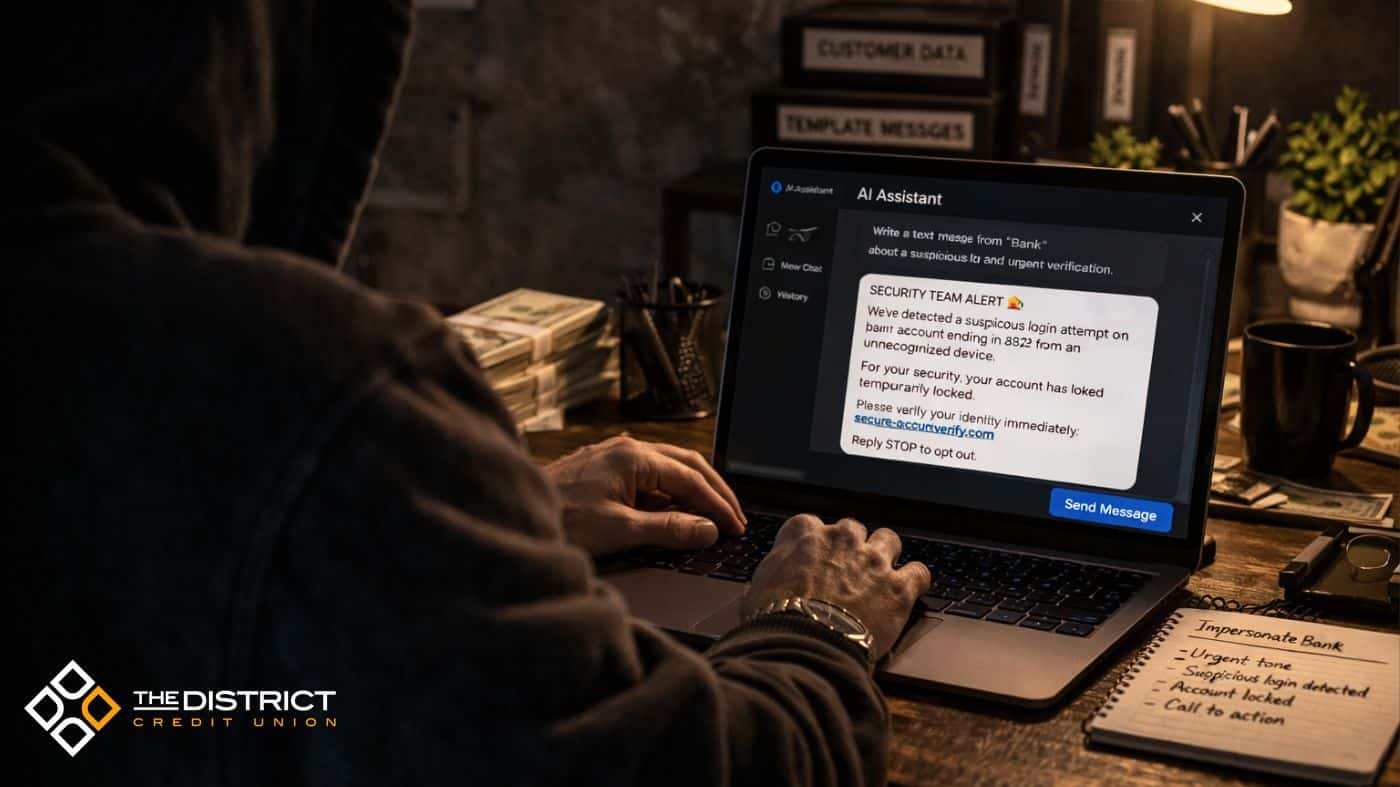
Colorado officials have warned that scammers now use AI tools to mimic real communication patterns and create highly believable messages. State and federal alerts show the same pattern: fraud works best when it creates urgency, fear, or embarrassment.
The most common trap is emotional pressure:
- “Act now or your account will be closed.”
- “Pay immediately to avoid legal action.”
- “Your license is suspended unless you transfer money now.”
For educators, school staff, parents, and students, those messages can hit at the worst possible time: workday rush, school pickup, exam week, payroll day.
The New Do-and-Don’t Rules for Scam Safety
Do: Pause and verify in a separate channel
- Call your bank using the number on your card.
- For state licensing questions, contact DORA through its official site.
- For court issues, contact the court directly via a public number.
Don’t: Trust caller ID, logos, or “official” wording
- Colorado agencies have warned about spoofed phone numbers and fake messages that look official.
- A polished message is no longer proof.
Do: Treat every unexpected text like a potential phishing attempt
- The FTC warns that fake texts often pretend to be fraud alerts, deliveries, or toll notices.
- Delete suspicious texts after reporting when appropriate.
Don’t: Pay “urgent” fees by gift card, wire transfer, or crypto
- Legitimate institutions do not demand those methods to “fix” your account status.
Do: Create a family verification plan
- Keep trusted numbers in one shared note.
- Decide now who to call first if anyone gets a scary text or call.
Don’t: Let shame keep you silent
- Reporting scams helps protect neighbors and classmates.
- Scam attempts are common; being targeted is not a personal failure.
What scams are hitting Colorado school communities now?
1) Court impersonation scams
Aurora’s Municipal Court has warned residents about callers pretending to be court staff and demanding immediate payment.
2) Professional license spoofing
Colorado’s Division of Professions and Occupations has warned license holders about scammers posing as state employees and demanding money or personal details.
3) Fake enforcement or compliance emails
State alerts have flagged phishing emails designed to look like official notices, often with malicious links.
4) Bank impersonation texts and calls
Federal guidance from the FDIC warns consumers about fake “fraud department” outreach aimed at stealing login credentials or card details.
A practical checklist for teachers, families, and students in Aurora
For teachers and school employees
- Save official contact numbers for your bank and licensing agency.
- Never handle “account emergencies” from a classroom hallway call.
- If threatened with license suspension by phone, hang up and verify independently.
For parents
- Teach teens a simple rule: “No clicks from panic texts.”
- Turn on transaction alerts and review them weekly as a household.
- Use strong, unique passwords and multi-factor authentication.
For high school and college students
- Ignore messages demanding quick payment to “unlock” accounts.
- Use official apps or bookmarked sites instead of text links.
- If you clicked a suspicious link, change passwords immediately and contact your financial institution.
What to do if you already shared information
Take these steps immediately:
- Contact your financial institution and request account monitoring or card replacement.
- Change affected passwords and enable multi-factor authentication.
- Document message screenshots and phone numbers.
- Report to Colorado consumer protection channels and local authorities when money loss is involved.
Speed matters. The earlier you report, the better chance you have to reduce losses.
Why this matters for Aurora right now
Aurora is a school-centered community. When scams hit one educator, one parent, or one student, the impact spreads through classrooms, teams, and families. Financial stress does not stay isolated.
The good news is that prevention is teachable. A short pause, a trusted phone number, and a simple household plan can stop most scams before they become losses.
Closing
Financial confidence in 2026 is not about avoiding technology. It is about using smart habits with technology. For Aurora families, students, and school staff, fraud prevention is now part of everyday money management, just like budgeting and saving.
The District Credit Union is here to support our community with practical financial education, safer digital banking habits, and guidance you can trust. Explore our resources and member services to strengthen your fraud protection plan this month.
Source References
- Colorado Attorney General, record 2025 complaint totals and AI-scam warning (March 2, 2026): coag.gov
- Aurora Municipal Court impersonation alert (January 6, 2025): auroragov.org
- Colorado DORA phishing alert (January 28, 2026): content.govdelivery.com
- Colorado DORA DPO spoofing alert (2026): dora.colorado.gov
- FDIC guidance on bank impersonation scams (June 2025): fdic.gov
- FTC unexpected text scam guidance (April 2025): consumer.ftc.gov
- SEO structure guidance for the “new blog era” (2026): blinkjarmedia.com